
When to Repair or Replace Your Walk-In
Cold storage investments are the backbone of commercial kitchens. They ensure product is always safe, fresh, and consistent day after day. If the walk-in cooler or freezer fails unexpectedly, the impact is immediate and costly, affecting every part of the operation. Loss of valuable inventory, increased risk of health code violations, operational disruption, and damage to brand reputation are just a few of the costly consequences. That’s why it’s important to incorporate regular walk-in maintenance into operational routines.
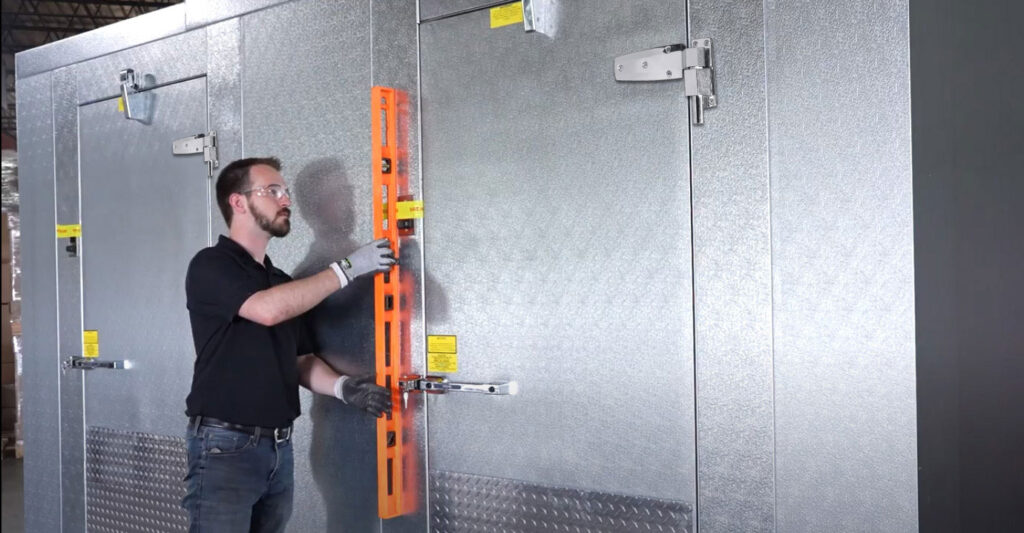
Like any mission-critical equipment, walk-ins age, wear down, and eventually reach a point where operators must decide:
Do we repair it, or is it finally time to replace it?
Making this decision isn’t just about stopping a leak or quieting a noisy compressor.
It’s about protecting your product, utilities budget, brand reputation, and long-term operational stability. Here, we break down the key signs that indicate when a repair makes sense, and when it’s time to invest in a replacement.
Early Warning Signs Your Walk-In Needs Attention
Neglect is the primary reason walk-ins fail prematurely. They require regular attention to run reliably and efficiently. Before they fail, there are usually symptoms. Operators who know what to watch out for can avoid costly breakdowns, product loss, downtime, and emergency service calls.
Common symptoms include:
Fluctuating Temperatures
If your walk-in struggles to maintain set temperatures or frequently swings above safe ranges (< 35°F for coolers, < -10°F for freezers), this may signal issues with the insulation, the refrigeration system, or air leaks. Even small fluctuations can lead to food safety risks and wasted inventory.
Increasing Energy Bills
An aging walk-in often works harder to maintain the same temperature. Damaged insulation, worn gaskets, old refrigeration systems, or outdated controls can significantly increase energy consumption month over month.
Excessive Frost Buildup
Ice accumulation on doors, evaporator coils, or floors may signal a malfunctioning defrost system, poor door seals, or an air or refrigeration leak. Moisture buildup may point to insulation breakdown or vapor barriers that are no longer performing.
Structural Damage
Structural damage goes beyond cosmetic wear and tear, and it directly impacts the performance of your walk-in, its energy efficiency, and food safety. Signs to watch for include dented or separating panels, rust, loose or cracked floor surfaces, warped doors, failing gaskets, and compromised seams. These issues allow air and moisture to penetrate the box, forcing the refrigeration system to work harder and accelerating equipment wear.
One of the most critical forms of structural damage is delamination, which occurs when the metal skin of the panel separates from the foam insulation inside. When this bond fails, moisture can infiltrate the panel, leading to condensation, ice buildup, corrosion, and a significant loss of insulating value/thermal resistance (measured as R-value). This is often a clear indicator the walk-in’s core integrity has been compromised and that replacement, rather than repair, may be the most practical long-term solution.
Outdated Technology
Older walk-ins may lack modern controls, energy-efficient refrigeration systems, or updating insulation materials. The aging equipment may still run, but often at a much higher cost.

Unusual Noises
Noises such as grinding, rattling, or buzzing can indicate a failing compressor or other critical component.
Water Leaks
Leaks inside or outside of the walk-in can lead to a clogged drain line or other serious issues.
When Repairing Your Walk-In Makes Sense
There are many situations where repairing your walk-in unit is the most practical, and economical, option. Especially if it is relatively young or if the issue is minor and isolated.
Less Than 10 Years Old
On average, walk-ins have a lifespan of 10-15 years, with proper maintenance, with some models lasting 20+. If your unit is still in its early to mid-life, repair is usually more cost-effective.
Limited to Components, Not Structure
Issues related to gaskets, hinges, latches, lighting, or refrigeration components, if they still hold temperature, are generally inexpensive repairs. However, if there is noticeable damage to the structural integrity, it may be time to replace.
No Increase in Energy Usage
If there hasn’t been a significant increase in usage, and If the unit’s performance is stable and utility bills haven’t spiked, a repair is typically sufficient.
Intact Insulation, Vapor Barrier, & Floor Structure
If the “shell” of the walk-in is still in good condition, there is no indication of insulation failure, and the floor shows no signs of water intrusion, soft spots, or cracking, repairing mechanical or electrical components makes financial sense.
Note: On an older unit, the cost of replacing a major component, like the compressor, condenser, or evaporator coil, often makes a full replacement the more logical and financially sound choice.
Norlake provides end-to-end solutions for walk-in cooler and freezer needs, including professional installation and repair needs.
When It’s Time to Replace Your Walk-In
As noted, walk-ins typically have a lifespan of 10-15 years. Once the unit passes this point, it is more susceptible to major component failures. Proactively consider replacement as the unit nears this window to avoid emergency breakdowns.
Replacing your walk-in is the clear choice when you see a consistent combination of symptoms, including:
Inconsistent Temperatures
If your walk-in repeatedly fails to hold temperature, this is a sign of a failing system that can’t be relied on, leading to food safety risks and financial loss.
Excessive Energy Bills
Older walk-ins lose efficiency as insulation breaks down and mechanical components age. An aging unit must work harder to maintain temperature, consuming more energy and causing a long-term drain on your budget. A newer system can reduce operating costs substantially.
Frequent Breakdowns
If you are regularly calling for repairs, the cumulative cost of parts and labor can quickly exceed that of a new unit. Compare the repair costs against the investment in a new, more reliable unit.
Visible Structural Issues
Rust, delamination, water intrusion, floor failure, or panel separation cannot be cost-effectively repaired long-term.
The Financial Breakdown of Repairing or Replacing Your Walk-In
When making the decision to either repair or replace your walk-in unit, consider these three factors:
1. Operating Costs
A high-efficiency walk-in can significantly reduce monthly utility bills. Over years of operation, this can easily offset the cost of replacement.
2. Risk of Product Loss
One failure can cost thousands of dollars in spoiled inventory, often more than the repair or replacement price. Reduce this risk by proactively replacing your unit when it reaches the 10–15-year average lifespan and starts showing some of the warning signs listed above.
3. Long-Term Reliability
Constant repairs add up quickly. At some point, replacement becomes the fiscally responsible choice.
The Bottom Line
If your walk-in is showing age, struggling to hold temperature, or costing more to operate and maintain, it may be time to consider replacement. However, if issues are isolated and the structure is sound, repairing your walk-in can extend its service life and postpone capital investment.
For operators who need help assessing the condition of their walk-in, Norlake’s experts can provide guidance, recommendations, or insights into when upgrading will deliver the best return on investment.
End-to-End Support:
How Norlake’s Aftermarket Services Support Your Investment Beyond the Sale
Norlake’s Aftermarket team is here to support your operations every step of the way, from efficient and competitive quoting, installation and startup, to service and maintenance.
LogiTemp® Advanced Electronic Controls with Reverse Cycle Defrost
Opting for a walk-in cooler or freezer with advanced electronic controls goes a long way towards enhancing energy efficiency and helping to quickly identify and troubleshoot early warning signs before a repair or replacement is needed. Norlake’s LogiTemp electronic controls increase food safety while reducing energy costs by up to 27% compared to all-mechanical controller systems.
When LogiTemp is paired with our Reverse Cycle Defrost , which is engineered to only run when needed and performs a complete defrost in under five minutes for minimal downtime, operators can save up to 80% in defrost energy usage, compared to traditional electric heaters.

LogiTemp empowers operators to take control over their walk-in refrigeration performance.
- More precise and reliable than all-mechanical systems
- Monitor and adjust your system remotely
- Real-time data visibility to identify performance issues and fine-tune efficiency
- No wiring between evaporator coils and condensing units required